Blog
Advances in Cardiothoracic Surgery
Advances in Cardiothoracic Surgery: What Patients Should Know

Cardiothoracic surgery, once considered one of the most invasive specialties in medicine, has undergone a dramatic transformation in recent years. Modern technology, innovative surgical methods, and improved patient care have redefined both safety and success rates. For patients, this means quicker recovery, smaller scars, and better long-term outcomes.

One of the most exciting breakthroughs is the rise of minimally invasive cardiac surgery (MICS).
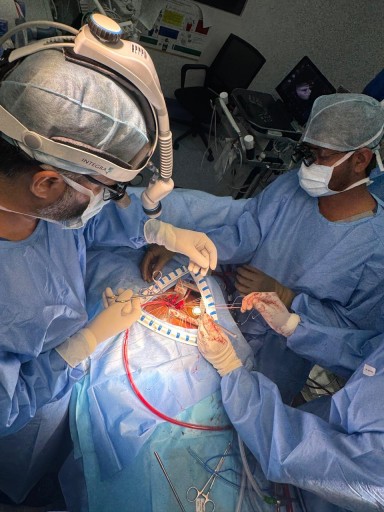


Unlike traditional open-heart surgery, which requires a large chest incision and splitting of the breastbone, MICS uses small incisions — often just a few centimeters — between the ribs. Through these tiny openings, surgeons perform complex procedures such as valve repairs, coronary bypasses, and atrial septal defect closures with remarkable precision.


The benefits include less postoperative pain, minimal scarring, fewer complications, shorter hospital stays, and faster return to normal life.

Taking this progress further is robotic cardiac surgery, where advanced robotic systems assist surgeons in performing highly delicate operations. The surgeon controls robotic arms from a console, translating hand movements into precise micro-motions inside the heart or chest. High-definition 3D visualization enhances accuracy, allowing access to areas that are difficult to reach with traditional tools. Procedures such as robotic mitral valve repair, coronary bypass, have shown excellent results. For patients, robotic surgery means exceptional precision, minimal trauma, and superior cosmetic outcomes.


Other major advances include Transcatheter Aortic Valve Replacement (TAVR) and Transcatheter Mitral Valve Repair (TMVR), which allow valve replacement or repair without opening the chest. Similarly, off-pump coronary bypass surgery — done on a beating heart — reduces complications in suitable cases.


In severe heart failure, modern Ventricular Assist Devices (VADs) and heart transplantation provide new hope, while 3D printing and artificial intelligence are helping surgeons plan and perform operations with unprecedented accuracy.


Today’s cardiothoracic surgery is not just about survival — it’s about restoring quality of life. With minimally invasive and robotic techniques leading the way, the future promises safer, faster, and more patient-friendly heart care for all.


