Blog
HOW TO MANAGE PAIN AFTER OPEN HEART BYPASS SURGERY? by DR.SRINATH/DR.SENTHIL
OPEN HEART SURGERY
Open bypass surgery is a procedure during which the narrowed artery is dissected and a bypass is taken. The cause of the narrowing can be the formation of atherosclerotic plaques adhering to the inner surface of the arteries. In addition, a decrease in blood flow to the heart can lead to a heart attack or angina.
Who Needs Open Heart Bypass Surgery?
Coronary artery bypass grafting is indicated in patients with severe coronary artery disease complicated by the threat of myocardial infarction. Coronary artery bypass grafting for the heart is indicated:
1. If standard therapy for coronary heart disease is ineffective;
2. With more than 70% stenosis of the coronary arteries and reduced systolic function of the left ventricle.
Furthermore, coronary artery bypass grafting is indicated:
1. depending on the location and severity of atherosclerotic lesions;
2. with severe forms of coronary artery disease;
3. with ineffective conventional coronary artery disease therapy;
4. with a significant decrease in the quality of life against the background of coronary artery disease.
Coronary artery bypass grafting is indicated in patients with myocardial infarction complicated by damage to the heart muscle and prolonged narrowing of the coronary arteries.
Why Management of Pain After Coronary Bypass Surgery Is Critical?
Pain management after surgery allows you to develop a rehabilitation plan that will reduce the risk of complications. Thus, the pain relief strategy after coronary artery bypass grafting surgery is designed to restore the patient to his usual life and working ability. In addition, to resume walking and deep breathing, pain management after open heart surgery is essential.
What Pain Can I Expect After Bypass Surgery?
By the way, most patients do not feel any pain at the beginning of the rehabilitation process. However, you should know that each patient has his fears and discomfort. You may feel that, in addition to the pain from the incision, you experience other discomfort. For example, you may experience muscle pain in various parts of the body.
Depending on the location of the incisions, discomfort from various parts of the body may be felt after surgery, for example, pains. Thus, having bypass surgery, you can expect to feel the following post-operative discomfort:
Muscle pain: you may feel stiffness in the neck and shoulder area for several days due to the incision, which is similar to the discomfort that a person experiences when sleeping improperly. Chest pain: this discomfort is caused by the tubes that were removed from the heart to remove fluids, gases, or blood. Pain from the incision: you may also feel discomfort behind the sternum, where the surgeon made an incision during surgery. Other discomfort after bypass surgery: you may also feel leg swelling due to reduced pumping function and shortness of breath due to lung problems.
Important Post-Bypass Surgery Tips:
As for now, you have had a heart bypass surgery, which is a rather complicated procedure; therefore, there are a few crucial post-surgery recommendations that cannot be ignored.
Taking care of your health:
You must strictly follow all the dosages of the drugs prescribed to you after the bypass surgery. So that you feel better after the intervention and the healing process is as rapid as possible, it is crucial to take the drugs that the doctor prescribed after the surgery. Moreover, to prevent discomfort, you need to take analgesics that the doctor prescribed. In addition, for the same reason, you need to take them dosed to the point to stop the pain when you are doing exercises.
Hygiene: To heal the incision site, you need to carefully treat it with an antiseptic solution.
Physical activity: you need to do light exercises to take care of your health. Exercise is essential for the entire body, and while you are recovering, it will be especially important to you. As for now, physical activity will be stressful for your heart before full recovery after surgery; therefore, you need to be especially careful while exercising during the rehabilitation period. Moreover, caregivers must not remain vertically for a long time (more than 10 minutes). During the rehabilitation period, patients should contact their physician, for example, a doctor of open heart surgery in Coimbatore, if the specified procedures are too uncomfortable for them.
Eating healthy food:
After the surgery, you need to eat heart-healthy food so that the heart can adapt and heal. Although your health may be fragile after heart surgery, you need to take special care of your body and the state of your heart. To maximize your chances of making the right food choices and taking care of your heart and body, today, you need to form the habit of eating healthy foods. Moreover, a heart-healthy diet is essential to ensure a good working capacity and prevent many diseases. After heart surgery, it is essential to exclude fatty foods and sweets for as long as the doctor tells you. In addition, you need to give up alcohol and smoking.
Taking care of your mental health:
As for now, patients who have undergone CABG often experience post-surgical depression due to the forced lying and the inability to move. Due to post-surgical depression after CABG, patients may experience anxiety, a decrease in the ability to concentrate, and a decrease in general intellectual activity. To speed up the rehabilitation process, patients with post-surgical depression must take care of their hobbies, for example, do sports, engage in various creative activities, and read.
When Can I Expect To Drive Or Resume Other Activities?
You can expect that you will be able to return to all your daily activities, including driving and bicycling, 6 to 8 weeks after surgery. In addition, you must not sit or stand for more than one hour and lift heavy weights. Moreover, it is vital to consider this recommendation and consult your doctor about when you can return to bicycling and driving after heart surgery.
Get enough rest and sleep:
Most patients who have undergone heart surgery complain of changes in their sleep after CABG surgery. Fortunately, this heart surgery side effect after bypass is temporary as sleep disturbances usually disappear on their own after 3 months. To relieve the discomfort caused by annoying night time pains, the doctor may prescribe special analgesics to relieve pain during sleep. In addition, it is vital to optimize the environment so that the patient after CABG surgery feels as comfortable as possible while sleeping. After physical activity, it becomes necessary to take breaks, although daytime sleeping should be minimized. In the evening, it is vital to exclude from the diet of the patient after heart surgery, foods containing caffeine: chocolate, coffee, tea, and carbonated drinks. Moreover, it is vital to organize a regime of daytime and night sleep and, where possible, to select a playlist for falling asleep. If sleep after heart surgery has become a real problem that affects the well-being and work of the patient, it is necessary to consult a doctor.
Key Points:
Having undergone heart surgery, you need to take care of your health and help your body to recover. The rehabilitation period after heart surgery is usually long and can last from three months to a year. Full recovery after heart surgery depends on several factors, for example, on the type of intervention and the presence of other chronic diseases, the state of the body, and the state of health after surgery. Anyway, there are some general recommendations for rehabilitation after any surgical intervention. So that your rehabilitation after heart surgery would be successful, it is essential to follow the doctor’s recommendations, which may include tests and medication. Moreover, your active participation in rehabilitation after heart surgery is essential.
A heart-healthy diet and balanced workloads will help you return to normal life and recover from surgery. When searching for an open bypass heart surgery, you need to choose open heart bypass surgery in Chennai.

Dr. Srinath Vijayasekharan
MBBS, MS, DNB
Director & Senior Consultant Dept of CTVS and Heart & Lung Transplantation, Dr. Rela Institute & Medical Centre
Speciality:
Cardiac Sciences, Cardiothoracic and Vascular Surgery, Heart and Lung TransplantationDegrees:
MBBS, MS, DNBDesignation:
Director & Senior Consultant Dept of CTVS and Heart & Lung Transplantation, Dr. Rela Institute & Medical Centre
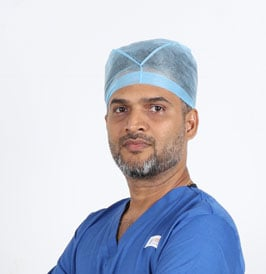
Dr. Senthil Kumar D
MBBS, MS, MCh
Clinical Lead and Senior Consultant, Dept of CTVS and Heart & Lung Transplantation, Dr. Rela Institute & Medical Centre
Speciality:
CARDIAC SCIENCES, CARDIOTHORACIC AND VASCULAR SURGERY, HEART AND LUNG TRANSPLANTATIONDegrees:
MBBS, MS, MChDesignation:
Clinical Lead and Senior Consultant, Dept of CTVS and Heart & Lung Transplantation, Dr. Rela Institute & Medical Centre
Time Schedule
Monday 09:00 AM - 04:00 PM Tuesday 09:00 AM - 04:00 PM Wednesday 09:00 AM - 04:00 PM Thursday 09:00 AM - 04:00 PM Friday 09:00 AM - 04:00 PM Saturday 09:00 AM - 04:00 PM
