Blog
What are Vascular Diseases: Blood Flow, Risks & Surgery by DR.SRINATH/ DR.SENTHIL
VASCULAR DISEASES
What are vascular diseases: Blood Flow, Risks & Surgery
Vascular diseases are those diseases, which occur due to malfunctioning of the blood vessels carrying oxygen and nutrients to various parts of our body. The effects of these diseases are devastating and unpredictable. Most of them do not show any symptoms at a considerable stage, requiring immediate surgery to prevent major complications.
Vascular Diseases-The Basics
Vascular diseases involve arteries, veins, and lymphatic vessels, resulting in impaired circulation of blood and lymphatic fluid. These diseases often lead to malfunctioning of the heart, brain, or other organs supplied by the blood vessels. Vascular diseases sometimes remain asymptomatic or cause only minor inconveniences like leg pain or fatigue. Other vascular diseases, however, can be life-threatening and require immediate medical attention.
Causes-Brief Insight
Arteries tend to become narrow due to the accumulation of plaque, which restricts the flow of blood. The restricted supply of oxygen-rich blood leads to extreme pain and organ damage. This condition, commonly known as blocked arteries can be caused due to several factors like smoking, diabetes, high cholesterol levels, hypertension, lack of exercise, and unhealthy diet. Apart from these factors, the risk of developing blocked arteries also increases with age.
Blocked arteries can occur in various parts of the human body, causing different complications based on the affected area. Some of the most common complications caused by blocked arteries are heart attack, stroke, organ damage and peripheral artery disease.
Life-Threatening Implications
Most of the diseases related to blocked arteries are chronic and do not show any symptoms in the early stages. However, as the blockage worsens, patients may experience excruciating pain, numbness, dizziness or weakness. Moreover, restricted blood flow leads to necrosis of the body tissues and vital organs.
Completely blocked arteries can lead to fatal conditions like heart attacks and strokes requiring emergency interventions such as surgeries. These conditions cannot be cured by simple medication and require immediate surgery to restore normal blood circulation.
Aneurysms and Related Concerns
An aneurysm refers to the abnormal bulging of a part of an artery due to weakening of the arterial walls. The bulging can occur anywhere in the body, most commonly in the brain and aorta. The condition may remain asymptomatic for a long time and may only be diagnosed during an imaging test conducted for a different reason. Aneurysms present tremendous risks to the body as they can rupture suddenly, causing catastrophic internal bleeding.
Aneurysms are especially dangerous when occurring in the brain and along the aorta. Large aneurysms also have the capability to produce blood clots that travel to other vital parts of the body blocking the blood supply to that particular region. This subsequently leads to serious conditions like stroke or tissue necrosis. The size/location of aneurysms determines the course of treatment with large aneurysms usually being repaired surgically.
Other than blocked arteries and aneurysms, there are several other diseases that often require vascular surgeries. These include peripheral artery disease, carotid narrowing and deep vein diseases.
Peripheral artery disease often leads to decreased blood circulation in the legs, resulting in fatigue, pain or swelling in addition, blocked arteries can also restrict blood circulation to the body organs leading to severe infections or tissue necrosis. In such cases, the damaged tissues need to be surgically removed to prevent fatal outcomes. In addition, carotid narrowing increases the risk of strokes and thus may also require surgery in severe cases.
Diagnostic Procedures
A preliminary diagnosis can be carried out by a physical exam followed by an ultrasound scan.
Why Surgery May be Necessary for Your Vascular Condition
Doctors usually recommend surgery once other treatment options have failed to show desirable results. The timing of surgery is majorly dependent on the condition of the patient and the nature of the disease. The following factors help determine the need for vascular surgery:
1.The severity of the condition
2.The rate of progression of the disease
3.The overall health status of the patient
4.The possibility of sudden complications, such as stroke and heart attack
Surgical procedures are usually recommended to restore normal blood circulation and prevent fatal outcomes, especially when other treatment modalities have failed. Imaging tests play a significant role in determining the severity of vascular diseases.
Types of Life-Saving Vascular Surgeries
There are various types of surgeries used in the management of vascular diseases. Depending on the condition being treated, a doctor may recommend any of the following:
1.The removal of plaque and blood clots from the arteries to restore normal blood circulation
2.Bypass surgeries that restore blood supply to the body organs by using a grafted vein or artery
3.Direct repair of the damaged artery walls or replacement of the weak artery segment with a graft
Although minimally invasive procedures are being used to manage vascular diseases, conventional open surgeries may also be recommended when needed.
Preparations for The Surgery
Preparations for vascular surgery include a series of diagnostic tests that help determine the overall health status of the patient. These tests ensure that the patient is fit for surgery and help the doctor determine the most appropriate course of treatment. Additionally, the patient may also be provided with detailed information regarding the surgical procedure, possible risks and post-surgery expectations.
After-Surgery Recovery and Care
Patients who undergo vascular surgery need to take special care to ensure that the surgery site heals properly. The healing process may vary depending on the type of surgery performed and the general health status of the patient. Recovery may range from a few days to several weeks. In addition to these measures, it is also important to maintain a healthy lifestyle after vascular surgery to ensure that there are no further complications.
Although vascular surgery helps repair the damage caused by various diseases, the long-term outcome mostly depends on how well a patient takes care of himself/herself after surgery.
Importance of Waking Up to Red Flags
Most vascular diseases are usually asymptomatic or cause only minor discomfort and are thus, often ignored. However, several vascular diseases present with some red flags that should never be ignored. The most common red flags are persistent leg pain, unusual pain or numbness in any part of the body, sudden severe headache and sudden vision changes. While these symptoms can be associated with a wide range of health conditions, it is always better to consult a specialist to rule out any vascular diseases.
The earlier the disease is diagnosed, the better are the chances of successful treatment and recovery. If you suspect that you or someone you know may have a vascular disease, it is best to contact a specialist as soon as possible to schedule an appointment.
Conclusion
Vascular diseases seldom present with obvious symptoms that demand immediate medical attention. However, these diseases have the potential to cause life-threatening complications. The prompt management of vascular diseases is essential to prevent fatal outcomes like stroke and heart attack. Surgery plays a crucial role in restoring normal blood circulation and thus, preventing catastrophic outcomes. It is important to recognize the early signs of vascular diseases and seek medical help when necessary.
FAQs
Can vascular diseases occur in young people?
Although vascular diseases are more prevalent among older people, young people are also at risk. The chances of developing vascular diseases increase with age.
Are vascular surgeries always major procedures?
It depends on the type of surgery. The majority of vascular surgeries are minimally invasive.
How long do surgeries to repair arteries last?
The longevity of the effects of vascular surgeries is highly variable and can last for several years. It is important to maintain a healthy lifestyle to reduce the possibility of recurring vascular diseases.
Can vascular diseases occur after surgeries?
Vascular diseases can recur if proper post-surgery care is not taken. Surgery only repairs the damage but does not cure the disease.
Are vascular diseases always accompanied by pain?
Pain is a symptom of many vascular diseases. However, there are several vascular diseases that do not cause pain and therefore often go undiagnosed.
Written and Verified by:

Dr. Srinath Vijayasekharan
MBBS, MS, DNB
Director & Senior Consultant Dept of CTVS and Heart & Lung Transplantation, Dr. Rela Institute & Medical Centre
Spaciality:
Cardiac Sciences, Cardiothoracic and Vascular Surgery, Heart and Lung TransplantationDegrees:
MBBS, MS, DNBDesignation:
Director & Senior Consultant Dept of CTVS and Heart & Lung Transplantation, Dr. Rela Institute & Medical Centre
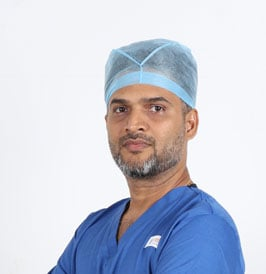
Dr. Senthil Kumar D
MBBS, MS, MCh
Clinical Lead and Senior Consultant, Dept of CTVS and Heart & Lung Transplantation, Dr. Rela Institute & Medical Centre
- CARDIAC SCIENCES, CARDIOTHORACIC AND VASCULAR SURGERY, HEART AND LUNG TRANSPLANTATION
Degrees:
MBBS, MS, MChDesignation:
Clinical Lead and Senior Consultant, Dept of CTVS and Heart & Lung Transplantation, Dr. Rela Institute & Medical Centre
Time Schedule
| Monday | 09:00 AM - 04:00 PM |
|---|---|
| Tuesday | 09:00 AM - 04:00 PM |
| Wednesday | 09:00 AM - 04:00 PM |
| Thursday | 09:00 AM - 04:00 PM |
| Friday | 09:00 AM - 04:00 PM |
| Saturday | 09:00 AM - 04:00 PM |
