Blog
When Do You Need a Cardiothoracic Surgeon? Signs & Conditions Explained by DR.SRNATH / DR.SENTHIL

When Do You Need a Cardiothoracic Surgeon? Signs & Conditions Explained
Most of the heart and chest diseases can generally be treated by lifestyle changes, drugs, and other non-surgical methods. However, in some severe situations, it might be required to consult a cardiothoracic surgeon and undergo surgery. A cardiothoracic surgeon is a physician who performs surgery and other treatments of the organs in the chest region, namely the heart, lungs, and esophagus.
Symptoms prompting a visit to a cardiothoracic surgeon
Even though there are a number of illnesses that do not require surgery, you should consult a cardiothoracic surgeon if you experience the following symptoms:
• Intermittent or constant pressure or pain in the chest region
• Irregular heartbeats accompanied by other symptoms
• Intermittent or constant shortness of breath occurring intermittently or constantly
• Swelling of the legs and ankles, and feeling tired
• Deformity identified during scans
• No alternative but to consider surgery
What is a cardiothoracic surgeon?
A cardiothoracic surgeon is a physician who makes incisions in the chest in order to repair or replace the damaged organs. In other words, a cardiothoracic surgeon is a doctor who specializes in surgical interventions on the heart or other organs in the thoracic cavity. Surgeons of this specialization examine the patient’s condition, evaluate potential treatments, and perform surgeries and post-surgery treatment.
A cardiothoracic surgeon may also be referred to as a(n):
• Cardiac surgeons
• Heart surgeons
• Congenital heart surgeons
• Cardiovascular surgeons
• General thoracic surgeons
• Transplant surgeons
This is especially vital to know because the reason why you need to visit a particular kind of cardiothoracic surgeon is determined by your condition.
Conditions a cardiothoracic surgeon treats
A cardiothoracic surgeon treats a variety of heart or other chest conditions, such as:
• Coronary artery disease and its complications
• Atrial fibrillation in certain cases
• Aortic aneurysms or other aortic disorders
• Heart failure
• Heart valve disease
• Congenital heart disease
• Lung disease: Lung cancer, Lung Transplant
• Esophageal diseases: Cancer, etc.
• Chest trauma/injuries
• Hiatal hernia and other chest conditions
Procedures performed by a cardiothoracic surgeon
Heart bypass surgery
Heart bypass surgery, also known as coronary artery bypass grafting, may be indicated in the presence of extensive coronary artery narrowing due to atherosclerosis. Bypass graft surgery is performed to bypass significantly narrowed coronary arteries and restore blood supply to the myocardium.
The main indications for coronary artery bypass grafting (CABG) are:
1. Severe narrowing or closure of one or more coronary arteries.
2. Inability to control stable angina pectorina with drug treatment.
3. Narrowing of coronary arteries that cannot be expanded with stents.
The decision to perform CABG is made jointly by a cardiologist and a cardiac surgeon, after angiography or other coronary artery visualization procedures.
Valve replacement surgery (or repair)
This procedure is designed to repair the heart valve that does not open or close properly; it is indicated in case of dysfunction affecting heart activity, causing shortness of breath, leading to fatigue. Moreover, a cardiac surgeon can also repair a heart valve instead of replacing it with a prosthetic one, in case of option availability. Thus, it is vital to consult a cardiac surgeon for an examination.
Cardiac and chest tests that a cardiothoracic surgeon may perform
A surgical team will most likely go over a series of diagnostic tests before the surgery. Understanding the disease or condition and getting an accurate diagnosis are essential prior to any surgical intervention; accordingly, each particular patient should be considered on an individual basis. For example, a combination of the following tests, along with others, might be requested:
1. Diagnostic tests: Chest X-ray, CT or MRI, Ultrasound, ECG/EKG or echocardiography
2. Cardiac angiography, stress electrocardiography, or Holter monitoring
3. Pulmonary function tests, oxygen saturation tests
4. Endoscopy and biopsy for the diagnosis of lung, esophageal, and other disorders
When to see a cardiothoracic surgeon
Most of the time, people tend to contact a cardiothoracic surgeon after consultation with a cardiologist or primary care physician or upon a suggestion from a pulmonologist or gastroenterologist, depending on the disease or condition requiring surgery; or simply a patient can ask for a second opinion.
What to expect at an appointment
The first appointment is usually an examination, where the cardiothoracic surgeon listens to the patient’s concerns, reviews symptoms, discusses medical and family history, analyzes previous tests and medication, and may prescribe more tests in the meantime. After considering all the data, the doctor will be able to determine the most appropriate treatments in more detail.
Preparation for an appointment
It is advisable for the patient to come prepared, bringing along the necessary documents/results (ECG, echo, angiography, CT scan), a list of medications and allergies, factors contributing to symptom flare-ups, for example, physical activity, stressful events, eating, etc.
Understanding CTVS surgery and advanced options at Citizens Specialty Hospital
CTVS surgery is the abbreviated name for Cardio-Thoracic and Vascular Surgery. The CTVS team at Citizens Specialty Hospital consists of highly qualified cardiothoracic and vascular surgeons, anesthetists, and medical staff, providing excellent patient care. The hospital offers the latest methods of treatment for Cardio-Thoracic and Vascular diseases. Citizens Specialty Hospital is one of the few hospitals empaneled with skilled professional expertise in Multi Arterial grafting using Bi-lateral Internal Thoracic Artery (BIMA) grafts with consistently improved outcome over Multi vessel stenting and other conventional heart bypass grafting using the Saphenous vein grafts. This method is ideal for patients under 70 years old with multi-vessel coronary artery disease. The hospital also has extensive experience in complex Cardio Thoracic and Vascular surgery procedures like Coronary Endarterectomy, Root Replacement surgeries, and Aortic and Vascular Aneurysm surgeries.
Conclusion
If your condition requires more than drug treatment and non-surgical procedures or tests have shown that you need surgery, you should visit a cardiothoracic surgeon. If you have intermittent or constant pressure or pain in the chest region, intermittent or constant shortness of breath, or other symptoms described above, you should visit a cardiothoracic surgeon. In addition, note that heart bypass graft and valve replacement surgeries are often required.
Written and Verified by:

Dr. Srinath Vijayasekharan
MBBS, MS, DNB
Director & Senior Consultant Dept of CTVS and Heart & Lung Transplantation, Dr. Rela Institute & Medical Centre
Spaciality:
Cardiac Sciences, Cardiothoracic and Vascular Surgery, Heart and Lung TransplantationDegrees:
MBBS, MS, DNBDesignation:
Director & Senior Consultant Dept of CTVS and Heart & Lung Transplantation, Dr. Rela Institute & Medical Centre
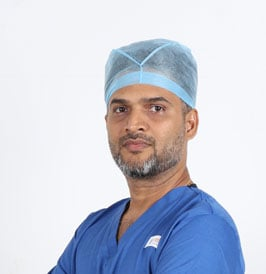
Dr. Senthil Kumar D
MBBS, MS, MCh
Clinical Lead and Senior Consultant, Dept of CTVS and Heart & Lung Transplantation, Dr. Rela Institute & Medical Centre
- CARDIAC SCIENCES, CARDIOTHORACIC AND VASCULAR SURGERY, HEART AND LUNG TRANSPLANTATION
Degrees:
MBBS, MS, MChDesignation:
Clinical Lead and Senior Consultant, Dept of CTVS and Heart & Lung Transplantation, Dr. Rela Institute & Medical Centre
Time Schedule
| Monday | 09:00 AM - 04:00 PM |
|---|---|
| Tuesday | 09:00 AM - 04:00 PM |
| Wednesday | 09:00 AM - 04:00 PM |
| Thursday | 09:00 AM - 04:00 PM |
| Friday | 09:00 AM - 04:00 PM |
| Saturday | 09:00 AM - 04:00 PM |
