• IABP Bridge to Heart Transplant

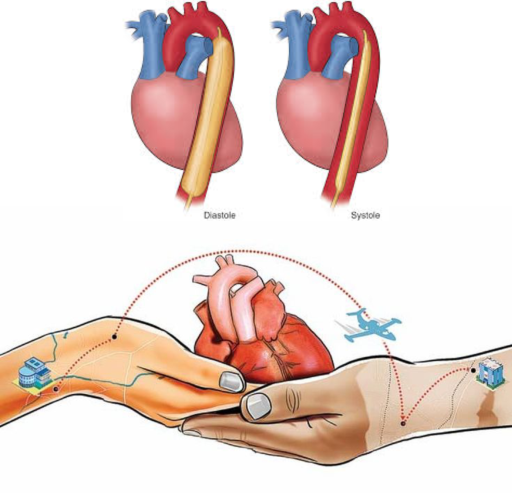
    The Intra-Aortic Balloon Pump (IABP) is a mechanical circulatory support device used to help patients with severe heart failure or cardiogenic shock stabilize while they wait for a heart transplant. The IABP is primarily used as a bridge to heart transplant for patients who are critically ill and require short-term support to improve hemodynamic function and ensure adequate perfusion of vital organs while awaiting a donor heart.An IABP is a percutaneous (through the skin) device that temporarily assists the heart by increasing blood flow to the coronary arteries, improving cardiac output, and decreasing the workload on the heart. It is

  • BIVAD Bridge to Heart Transplant

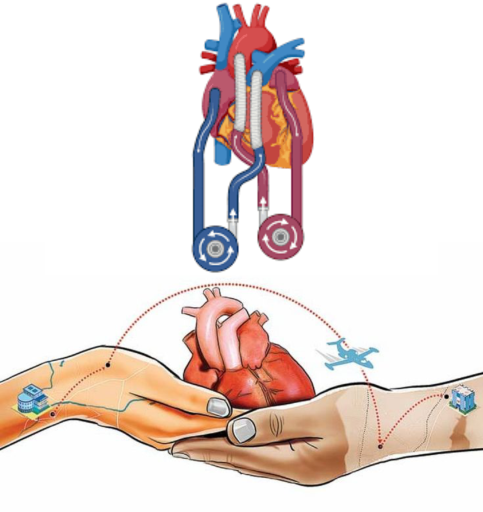
    A BIVAD (Biventricular Assist Device) is a mechanical circulatory support system that provides support to both the left ventricle and the right ventricle of the heart. It is used in patients with severe biventricular heart failure who are awaiting a heart transplant. The BIVAD is typically used as a bridge to heart transplant for patients who require temporary support to maintain vital organ perfusion while awaiting a suitable donor heart.Unlike devices that only support one side of the heart, a BIVAD provides support for both ventricles, assisting in pumping blood to the lungs and the rest of the body. This

  • Veno Arterial ECMO for Cardiogenic Shock

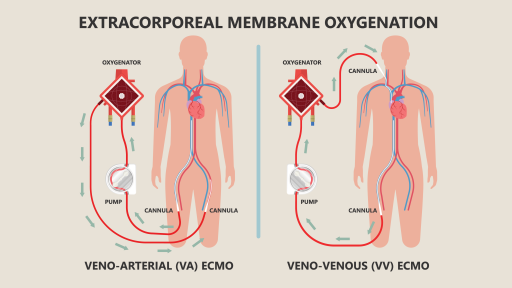
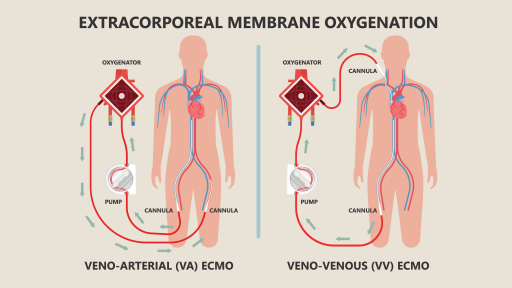
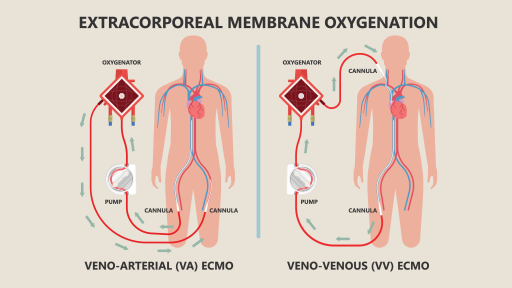
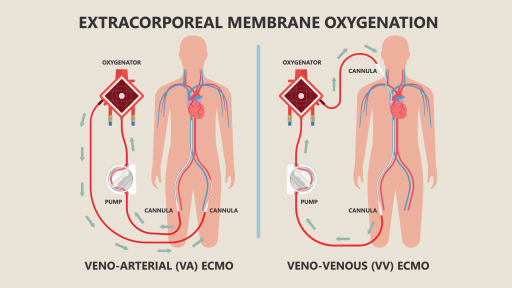
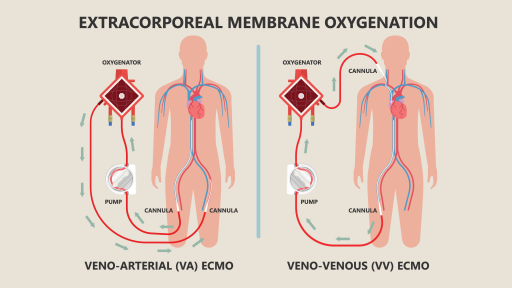
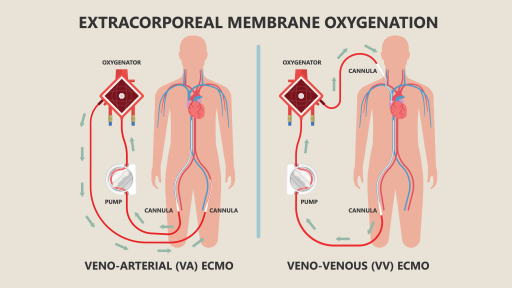
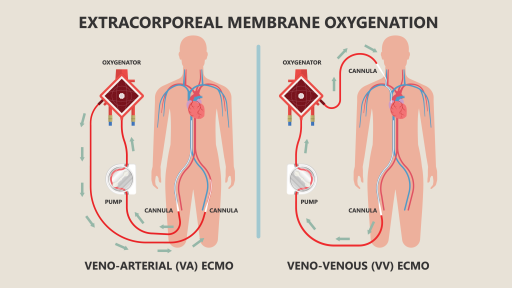
    VA ECMO (Veno-Arterial Extracorporeal Membrane Oxygenation) is a mechanical circulatory support device that is used to provide life-saving support to patients experiencing cardiogenic shock, especially when the heart is unable to pump blood effectively due to severe cardiac dysfunction. Cardiogenic shock occurs when the heart’s ability to pump blood is drastically impaired, leading to inadequate blood flow to vital organs, resulting in hypoperfusion, organ failure, and death if not treated urgently.VA ECMO helps restore circulation and oxygenation in these patients by temporarily taking over the function of both the heart and lungs until the underlying cause of shock is treated

  • VA ECMO for Ischemic Cardiomyopathy

    VA (Venoarterial) ECMO (Extracorporeal Membrane Oxygenation) is a form of mechanical circulatory support that provides both cardiac and respiratory support in patients with severe cardiac and/or respiratory failure. In the context of ischemic cardiomyopathy, VA ECMO is used to support patients whose heart function has been severely compromised due to coronary artery disease or a heart attack, leading to a decreased ability to pump blood effectively. Here's how it works and its role:What is Ischemic Cardiomyopathy?Ischemic cardiomyopathy refers to a condition where the heart muscle becomes weakened and damaged due to chronic or acute lack of blood supply, often as

  • VA ECMO for Dilated Cardiomyopathy

    VA (Venoarterial) ECMO (Extracorporeal Membrane Oxygenation) is a form of mechanical circulatory support that provides both cardiac and respiratory support in patients with severe cardiac and/or respiratory failure. In the context of ischemic cardiomyopathy, VA ECMO is used to support patients whose heart function has been severely compromised due to coronary artery disease or a heart attack, leading to a decreased ability to pump blood effectively. Here's how it works and its role:What is Ischemic Cardiomyopathy?Ischemic cardiomyopathy refers to a condition where the heart muscle becomes weakened and damaged due to chronic or acute lack of blood supply, often as

  • VA ECMO for Pre Transplant

    VA (Venoarterial) ECMO (Extracorporeal Membrane Oxygenation) is frequently used as a bridge to heart transplant in patients with end-stage heart failure, offering temporary support for those awaiting a heart transplant. This application of ECMO is critical in maintaining adequate circulation and oxygenation while the patient waits for a suitable donor heart. Here’s a breakdown of how VA ECMO is used in the pre-transplant setting:Why is VA ECMO Used Pre-Transplant? Support in Cardiogenic Shock: Patients with end-stage heart failure may experience cardiogenic shock, a condition where the heart can no longer pump blood effectively, leading to inadequate perfusion of vital organs.

  • VA ECMO for Post Transplant

    VA (Venoarterial) ECMO (Extracorporeal Membrane Oxygenation) can also be used in the post-heart transplant setting, although it is less common than in pre-transplant situations. The use of VA ECMO post-transplant is typically reserved for patients who develop acute cardiac or hemodynamic instability after the transplant. This may be due to primary graft dysfunction, rejection, or other complications that impair heart function shortly after the transplant. Below is an overview of the indications, benefits, challenges, and risks associated with the use of VA ECMO after heart transplantation.Why VA ECMO is Used Post-Transplant Primary Graft Dysfunction (PGD): Primary graft dysfunction is

  • VA ECMO for Poisoning Induced

    Venoarterial (VA) ECMO (Extracorporeal Membrane Oxygenation) can be used in cases of poisoning-induced cardiogenic shock or respiratory failure, although it is relatively uncommon and typically reserved for severe cases where other therapies are not effective. In situations of severe poisoning, especially when there is a combination of cardiovascular collapse (cardiogenic shock) and respiratory failure, VA ECMO can provide critical support to maintain organ perfusion and oxygenation while the underlying poisoning is treated.Why VA ECMO is Used for Poisoning-Induced Cardiogenic Shock Severe Cardiovascular and Respiratory Collapse: Many toxins or poisons can lead to severe hemodynamic instability, including cardiogenic shock (where the

  • Veno Venous ECMO for ARDS

    Veno-Venous ECMO (VV ECMO) is a form of extracorporeal membrane oxygenation used to provide respiratory support for patients with severe acute respiratory distress syndrome (ARDS). ARDS is a condition characterized by severe hypoxemia (low oxygen levels in the blood), respiratory failure, and pulmonary edema (fluid buildup in the lungs), which can be caused by a variety of conditions, including pneumonia, sepsis, trauma, and aspiration.In VV ECMO, blood is drained from a large vein, oxygenated outside the body, and then returned to a vein, bypassing the lungs and providing oxygenation and carbon dioxide removal, thereby allowing the lungs to rest and

Go Back Top